Raksha Bandhan 2026: Story, Meaning, Traditions, Facts & FAQs
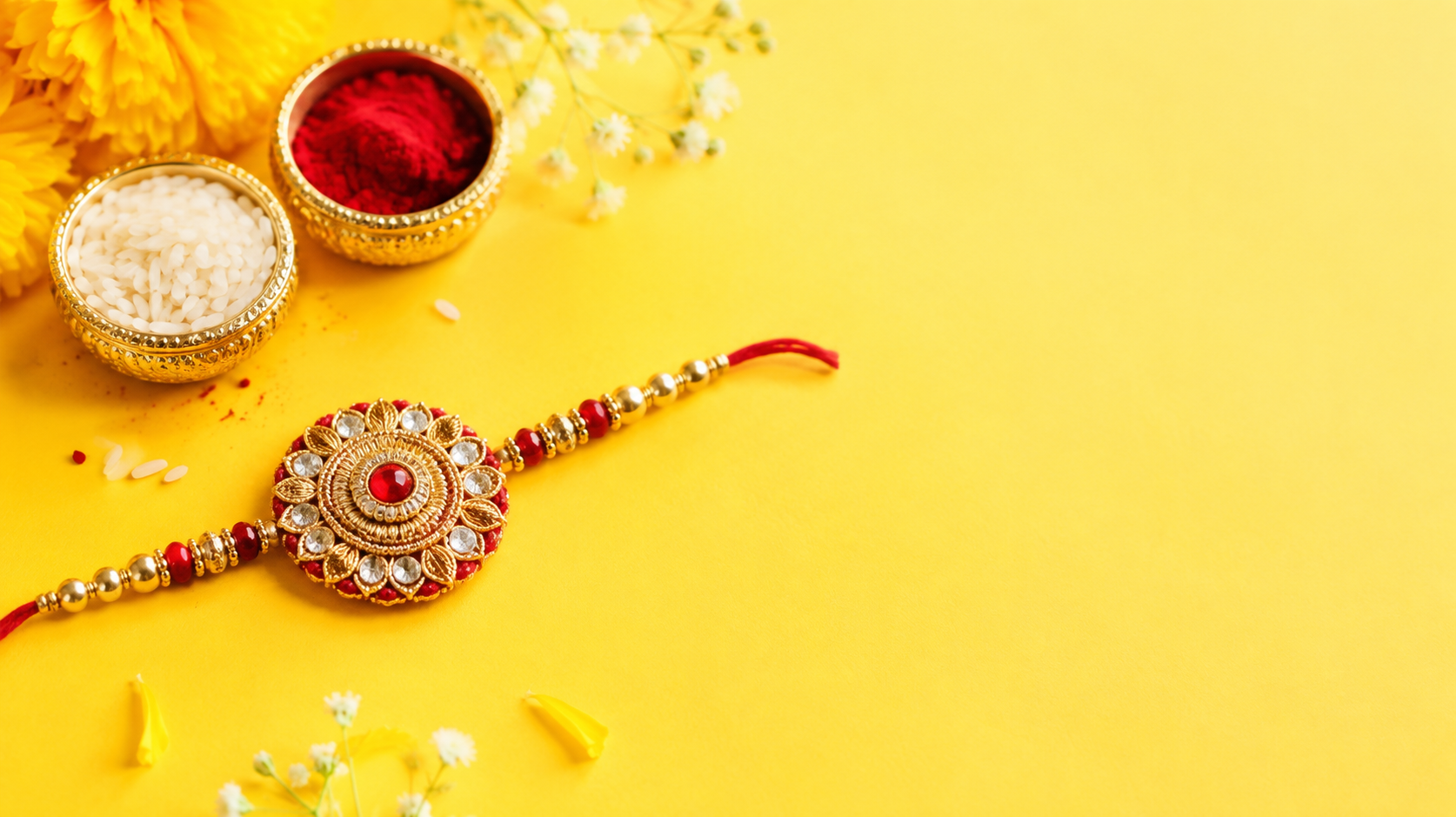
Raksha Bandhan, commonly known as Rakhi, is one of the most loved festivals in India. It celebrates the special bond between brothers and sisters and reminds families of the importance of love, care, trust, and responsibility. In 2026, Raksha Bandhan (Rakhi) will be celebrated on Friday, August 28, in India. The festival falls on the full moon (Purnima) of the Hindu month of Shravana.
On this day, sisters traditionally tie a rakhi, a sacred thread or decorative bracelet, around their brothers' wrists. Brothers usually give a gift in return and promise to support and care for their sisters. However, the meaning of Raksha Bandhan has grown beyond a simple brother-sister tradition. Today, many families use the occasion to celebrate relationships, express gratitude, and strengthen family bonds.
The festival is celebrated in different ways across India, and its customs can vary between regions and families. From preparing a Rakhi thali to sharing sweets and exchanging gifts, every tradition adds something special to the celebration.
But what is the story behind Raksha Bandhan? Why is a rakhi tied on the wrist? What do people believe about the festival, and which popular beliefs are actually supported by history?
Let's explore the story, meaning, traditions, facts, and common mistakes associated with Raksha Bandhan.
What Is Raksha Bandhan?
The name Raksha Bandhan comes from two Sanskrit-derived words: Raksha, meaning protection, and Bandhan, meaning bond or tie.
The festival traditionally represents a promise of protection and affection between siblings. The rakhi symbolizes the emotional connection between a sister and brother, while the exchange of gifts represents appreciation and affection.
Although the traditional ceremony focuses on brothers and sisters, modern celebrations can include cousins, close family members, and people who share a sibling-like relationship.
When Is Raksha Bandhan Celebrated?
Raksha Bandhan is celebrated on the Purnima, or full moon day, of the Hindu month of Shravana. Since the Hindu calendar is lunisolar, the date changes each year in the Gregorian calendar.
This means Raksha Bandhan does not fall on the same date every year.
What Happens During the Rakhi Ceremony?
A traditional Rakhi ceremony may include:
Preparing a decorated Rakhi thali.
Applying a tilak to the brother's forehead.
Performing aarti.
Tying the rakhi around the wrist.
Offering sweets.
Exchanging gifts.
Seeking blessings from elders.
The exact order and customs can differ between families and regions.
The Story Behind Raksha Bandhan
There is no single universally accepted historical story that explains the origin of Raksha Bandhan. Instead, Indian traditions contain several stories and legends connected with the idea of a protective thread.
Krishna and Draupadi
One of the most popular stories connects Lord Krishna and Draupadi from the Mahabharata tradition.
According to the popular retelling, Krishna injured his finger and Draupadi used a piece of cloth from her sari to cover the wound. Krishna is said to have remembered her affection and promised to protect her when she needed him.
This story is widely associated with the spirit of Raksha Bandhan because it highlights affection, care, and a promise to stand by someone.
However, it is important to understand that this is a traditional religious story and not evidence that the modern Rakhi ceremony began exactly in this form.
Indra and Indrani
Another traditional account appears in Hindu religious literature and connects a protective thread with Indra, the king of the gods, and his wife Indrani.
According to the story, a sacred thread was associated with protection and blessings before a battle. This tradition shows that the idea of tying a protective thread has a much older religious and cultural background.
Rani Karnavati and Humayun
A famous historical legend tells of Rani Karnavati of Mewar sending a rakhi to Mughal emperor Humayun when she faced danger.
The story is often presented as an example of the rakhi representing a request for protection and a bond beyond family relationships. However, historians have questioned important details of this account, and it should therefore be treated as a popular historical legend rather than an established fact.
The Meaning of Rakhi
A rakhi may look like a simple thread or bracelet, but its cultural meaning is much deeper.
A Symbol of Love
The rakhi represents affection between siblings. It provides an opportunity for family members to express emotions that may not always be spoken during everyday life.
A Promise of Support
Traditionally, the brother's promise of protection is an important part of the ceremony. In modern families, this idea is often understood more broadly as being available for each other during difficult times.
A Celebration of Family
Raksha Bandhan brings family members together. Even siblings who live in different cities or countries often make an effort to celebrate together or send Rakhis and gifts from a distance.
Raksha Bandhan Traditions Across India
Raksha Bandhan is not celebrated identically everywhere.
Rakhi in North India
In many northern parts of India, the festival commonly involves tying rakhi, performing aarti, applying tilak, sharing sweets, and exchanging gifts.
Families may also organize meals or gatherings after the ceremony.
Rakhi in Maharashtra
In Maharashtra, Raksha Bandhan is associated with Narali Purnima, particularly among coastal communities. Offerings involving coconuts are an important part of the day's traditions.
Rakhi in Other Regions
Different communities have their own customs connected with the full moon of Shravana. Some traditions emphasize religious rituals, while others focus more strongly on family celebrations.
This diversity is one of the interesting features of Raksha Bandhan: the central idea remains recognizable even when the customs change.
Common Beliefs About Raksha Bandhan
Over generations, several beliefs have become associated with Raksha Bandhan.
Belief 1: Rakhi Is Only About a Brother Protecting His Sister
Traditionally, protection is an important part of the festival. However, many modern families understand the relationship as mutual.
Siblings can support one another emotionally, financially, and practically. The festival can therefore represent mutual care rather than one-sided protection.
Belief 2: Every Rakhi Must Be a Traditional Red or Decorative Thread
There is no single design that every Rakhi must follow. Rakhis come in many styles, including simple threads, handmade designs, personalized bracelets, and environmentally friendly options.
Belief 3: Raksha Bandhan Is Only a Religious Celebration
Raksha Bandhan has strong roots in Hindu traditions, but its cultural expression can be broader. People may celebrate it primarily as a family festival and use it as an opportunity to appreciate their siblings.
Belief 4: The Festival Has Only One Origin Story
This is a common misunderstanding. Several stories, legends, and traditions are connected with protective threads and sibling relationships. No single story should automatically be presented as the proven historical origin of today's festival.
Interesting Facts About Raksha Bandhan
Here are some useful facts about Rakhi and Raksha Bandhan:
Raksha Bandhan is celebrated on the full moon day of Shravana.
The date changes every year because the Hindu calendar follows lunar cycles.
The word "Raksha" refers to protection, while "Bandhan" refers to a bond or tie.
Rakhis can be handmade, traditional, decorative, personalized, or eco-friendly.
Sweets are an important part of many Raksha Bandhan celebrations.
Gift-giving has become a major part of modern Rakhi celebrations.
The festival is celebrated differently across Indian regions and communities.
Raksha Bandhan has increasingly adapted to long-distance relationships through online gifts, video calls, and mailed Rakhis.
How to Celebrate Raksha Bandhan
A meaningful Rakhi celebration does not have to be expensive.
Prepare a Simple Rakhi Thali
A Rakhi thali can include:
Rakhi
Kumkum or roli
Rice grains
Diya
Sweets
Flowers
A small gift
The items can be arranged according to family tradition.
Choose a Meaningful Gift
The best gift does not necessarily have to be expensive. Books, clothing, useful accessories, personalized gifts, or handmade items can make the occasion special.
Celebrate From a Distance
If siblings cannot meet in person, they can send a Rakhi by post or courier and celebrate through a video call.
A personal message, photograph, or small surprise can make a long-distance celebration feel more connected.
Common Mistakes to Avoid on Raksha Bandhan
Even simple traditions can become stressful when people focus too much on perfection.
Choosing a Gift Only for Its Price
A costly gift does not automatically make Raksha Bandhan more meaningful. A thoughtful gift that matches the person's interests can be much more memorable.
Treating the Ritual as a Formal Obligation
The heart of the festival is the relationship. Rushing through the ceremony without spending time together can take away from its emotional meaning.
Assuming Every Family Follows the Same Ritual
Customs vary significantly. It is better to respect family and regional traditions rather than assuming there is only one correct way to celebrate.
Forgetting Long-Distance Siblings
If a sibling lives far away, planning early is important. Sending the Rakhi or gift at the last minute can create unnecessary problems.
Using Excessive Plastic Packaging
Many modern Rakhis and gifts come with unnecessary plastic packaging. Choosing reusable, recyclable, or biodegradable materials can make the celebration more environmentally responsible.
Ignoring the Emotional Side of the Festival
Rakhi is not only about tying a thread and exchanging gifts. A few sincere words, a family meal, or simply spending quality time together can make the celebration much more meaningful.
Raksha Bandhan in Modern Times
The way people celebrate Raksha Bandhan has changed with technology and modern lifestyles.
Siblings who live in different countries can now order Rakhis online, send digital gifts, arrange video calls, and celebrate together virtually. Social media has also made it common for people to share photographs and messages about their siblings.
At the same time, traditional elements remain popular. Families continue to prepare sweets, perform rituals, exchange gifts, and gather for meals.
The festival has therefore adapted without losing its central theme: celebrating the bond between people who care for one another.
Why Raksha Bandhan Is Still Important
Modern life can make it difficult for families to spend enough time together. Work, education, travel, and distance often keep siblings apart.
Raksha Bandhan creates a specific occasion to reconnect.
The festival encourages people to pause their busy schedules, remember shared memories, express gratitude, and strengthen family relationships. For many people, this emotional connection is more important than the material aspects of the celebration.
Conclusion
Raksha Bandhan, or Rakhi, is much more than a festival of tying a thread around a wrist. It represents affection, trust, family, responsibility, and the promise to support one another.
Its stories come from different religious traditions, legends, and cultural practices, while its modern celebration continues to evolve. Some families follow traditional rituals closely, while others celebrate with simple ceremonies, gifts, meals, or virtual gatherings.
What remains at the center is the relationship itself.
Whether siblings are sitting together at home or celebrating from thousands of kilometres apart, Raksha Bandhan offers a chance to say something simple but meaningful: you matter, and I will always value our bond.
Was this article helpful?