Eid-ul-Fitr 2026: Date, History, Significance & Traditions
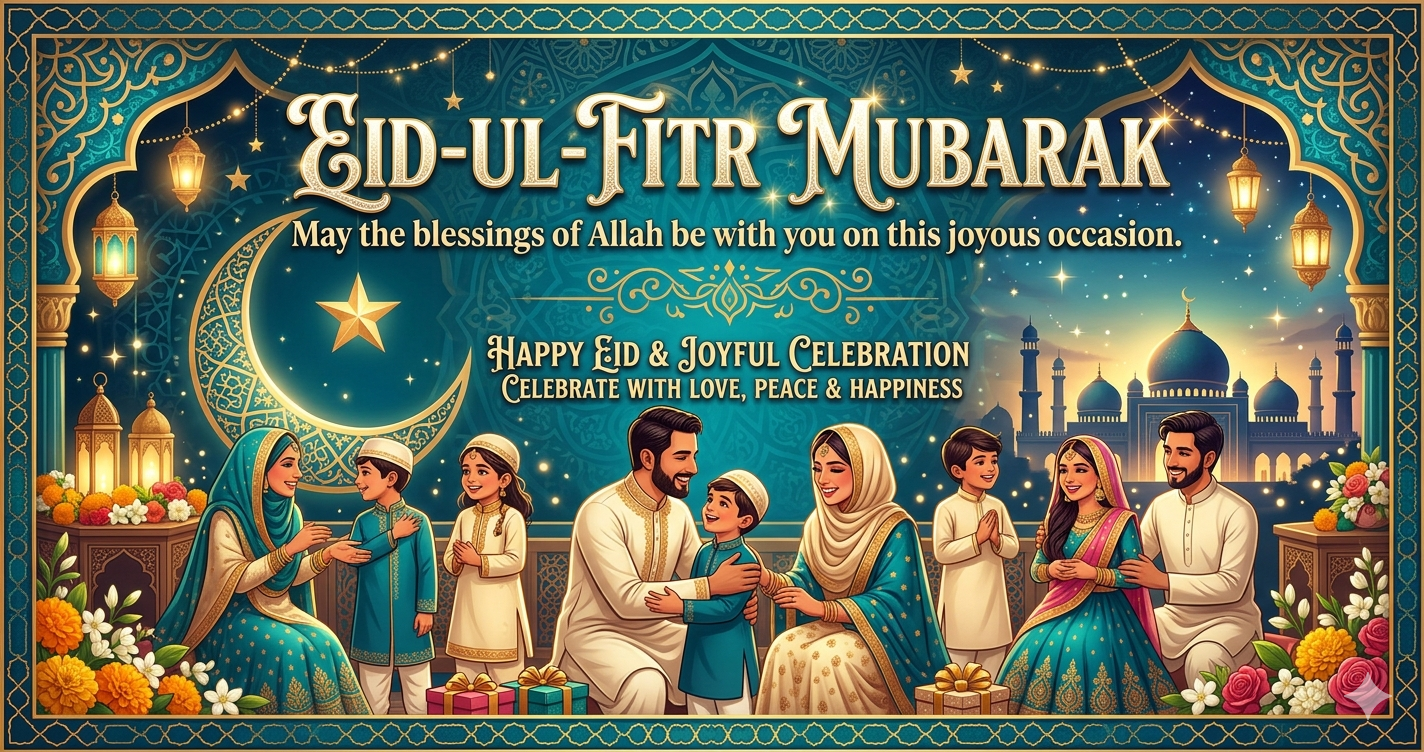
Eid-ul-Fitr, also known as the Festival of Breaking the Fast, is one of the most important Islamic celebrations observed by Muslims worldwide. The festival marks the end of Ramadan, the holy month of fasting, prayer, and spiritual reflection.
In 2026, Eid-ul-Fitr in India is expected to be celebrated on March 20 or March 21, depending on the sighting of the Shawwal crescent moon. Since the Islamic calendar follows a lunar cycle, the exact date may vary by location.
The festival is a joyful occasion filled with special prayers, charity, family gatherings, festive meals, and community celebrations.
When Is Eid-ul-Fitr in 2026?
Eid-ul-Fitr is observed on the first day of Shawwal, the 10th month of the Islamic lunar calendar.
Expected Date in 2026
Ramadan 2026 start: Around February 19, 2026 (India)
End of Ramadan: Around March 19-20, 2026
Eid-ul-Fitr: Likely March 20 or March 21, 2026, depending on moon sighting
If the crescent moon is sighted on the evening of March 19, Eid will be celebrated on March 20. Otherwise, the festival will take place on March 21.
The Story Behind Eid-ul-Fitr
The celebration of Eid-ul-Fitr dates back to the time of Prophet Muhammad, who established the festival after Muslims migrated to Medina. According to Islamic tradition, the Prophet encouraged believers to celebrate the completion of Ramadan with gratitude, prayers, and charity.
Ramadan itself commemorates the revelation of the Quran to Prophet Muhammad over 1,400 years ago. During this month, Muslims fast from dawn (Fajr) until sunset (Maghrib), focusing on discipline, compassion, and spiritual growth.
Eid-ul-Fitr therefore symbolizes spiritual renewal, gratitude to God, and unity within the Muslim community.
Significance of Eid-ul-Fitr
Eid-ul-Fitr carries deep religious and social importance.
1. Celebration After a Month of Fasting
Muslims fast during Ramadan as one of the Five Pillars of Islam, practicing self control, patience, and devotion.
2. Emphasis on Charity
Charity is an essential part of Eid-ul-Fitr.
Before the Eid prayer, Muslims give Zakat-ul-Fitr, also known as Fitrah. This charity is obligatory for every Muslim, including children and elderly family members. Usually, the head of the household pays it on behalf of the entire family.
The amount of Fitrah is generally equal to the cost of about 2-2.5 kilograms of staple food, such as wheat, rice, barley, or dates, based on local market prices. It must be given before the Eid prayer so that those in need can also celebrate the festival.
Apart from Fitrah, Muslims who possess wealth above a certain threshold must also pay Zakat, another form of charity. Zakat is 2.5% of eligible wealth, such as savings, gold, silver, or business assets, that a person has owned for one full lunar year.
3. Community and Unity
Eid strengthens bonds among families, friends, and communities through shared prayers, meals, and acts of generosity.
How Eid-ul-Fitr Is Celebrated
1. Eid Prayers
The day begins with special congregational prayers held at mosques or open prayer grounds called Eidgahs.
2. Giving Zakat-ul-Fitr (Fitrah)
Muslims must give Fitrah before the Eid prayer to ensure that everyone, including the less fortunate, can participate in the celebrations.
3. Family Gatherings
Families visit relatives, greet each other with "Eid Mubarak," and spend the day together enjoying festive meals.
4. Traditional Foods
Popular Eid dishes vary by region but often include:
Sheer Khurma
Biryani
Kebabs
Sevaiyan (sweet vermicelli)
5. Eidi and Gifts
Children often receive money or gifts called “Eidi” from elders, making the day even more special for them.
Chand Raat: The Night Before Eid
The evening before Eid is known as Chand Raat, which literally means “Night of the Moon.” It begins when the crescent moon of Shawwal is sighted, marking the end of Ramadan.
On this night, markets remain open late as people:
Buy new clothes
Apply henna (mehndi)
Shop for sweets and gifts
Prepare for Eid celebrations
Eid-ul-Fitr Around the World
Although the essence of Eid remains the same, traditions differ across countries.
Examples include:
India & Pakistan: Sheer Khurma and family feasts
Middle East: Large communal prayers and festive gatherings
Turkey: Known as Şeker Bayramı (Sugar Feast) because of the sweets shared during the festival
Indonesia: Celebrated as Lebaran, marked by massive homecoming travel and family reunions
Conclusion
Eid-ul-Fitr is more than just a festival - it is a celebration of faith, gratitude, compassion, and community. After a month of fasting and spiritual reflection during Ramadan, Muslims come together to pray, share meals, give charity, and strengthen bonds with family and friends.
In 2026, the festival is expected to fall around March 20 or March 21 in India, depending on the sighting of the Shawwal crescent moon.
Regardless of the exact date, Eid-ul-Fitr remains a joyful reminder of unity, generosity, and spiritual renewal.
Was this article helpful?